

The Japanese Language Proficiency Test (JLPT) is the most recognized exam for evaluating Japanese language skills among non-native speakers. Designed for students, professionals, and enthusiasts alike, it assesses reading, listening, grammar, and vocabulary proficiency. Understanding the JLPT syllabus for all levels (N1–N5) is crucial to plan your study path effectively and progress toward fluency.
This detailed guide explains each JLPT level’s syllabus, structure, and focus areas — from beginner (N5) to advanced (N1). If you’re aiming to study or work in Japan, mastering the JLPT syllabus can open doors to incredible opportunities.
The JLPT has five levels: N1, N2, N3, N4, and N5.
Check NAT Test Results Online – Learn how to check NAT test result online for your Japanese language exam easily.
Each level assesses three main skills:
Understanding the JLPT exam pattern for each level ensures better preparation and time management.
To check your JLPT exam results, you can visit the JLPT result page on the official TLS – The Japanese Language School website for updates and guidance on score interpretation.
The JLPT N5 syllabus is perfect for beginners starting their Japanese journey.
This level builds the foundation to understand Japanese expressions and grammar patterns.
Official website -: www.jlpt.jp/reference/pdf/guidebook_s_e.pdf

The JLPT N4 syllabus builds upon N5, helping learners engage in daily conversations and understand simple written texts.
N4 represents the ability to understand basic Japanese used in everyday communication.
If you’re looking for detailed preparation support, explore the Japanese institute for JLPT to find structured coaching programs, expert tips, and learning methods for every JLPT level.
The JLPT N3 syllabus bridges the gap between daily conversation and advanced Japanese comprehension.
This level focuses on understanding Japanese used in common social and professional environments.
To understand the official structure and content division of the JLPT, you can refer to the official JLPT test sections guide provided by the Japan Foundation. It offers detailed insight into how reading, listening, and vocabulary sections are evaluated.
The JLPT N2 syllabus is for learners who can understand Japanese in a wide range of everyday and professional contexts.
N2 proficiency is often required for university admission or employment in Japan, making it one of the most valuable JLPT levels.
For flexible and accessible learning, you can also join the online Japanese language course offered by TLS – The Japanese Language School, which covers vocabulary, grammar, and listening practice aligned with the JLPT syllabus.
The JLPT N1 syllabus is the highest and most challenging level, aimed at those who want to achieve near-native fluency.
JLPT Exam Details – Explore everything about the JLPT exam, including levels, syllabus, and tips.
Passing N1 reflects an exceptional command of Japanese — suitable for advanced research, translation, or corporate communication in Japan.
For an official overview of all JLPT levels, the JLPT level summary explains the skills expected at each stage, from beginner (N5) to advanced (N1).
| JLPT Level | Vocabulary | Kanji | Difficulty Level | Suitable For |
| N5 | 800–1,000 | 100–120 | Beginner | Basic learners |
| N4 | 1,500 | 300 | Elementary | Daily use |
| N3 | 3,000–4,000 | 650–700 | Intermediate | General communication |
| N2 | 6,000 | 1,000 | Upper-Intermediate | Professional/Academic |
| N1 | 10,000+ | 2,000 | Advanced | Native-level fluency |
Each JLPT level follows a similar structure but differs in difficulty and content depth.
There are no speaking or writing sections in the JLPT — the test is entirely multiple-choice.
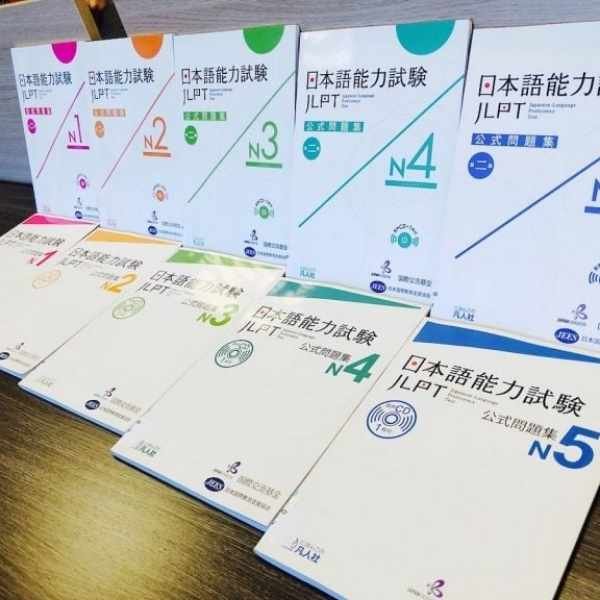
Having a strong JLPT vocabulary list is key to success. Regularly revising kanji, idioms, and grammar patterns for each level ensures progress.
For instance:
TLS – The Japanese Language School provides structured study material and vocabulary lists categorized by level to help students master each stage of the syllabus efficiently.
Overseas JLPT Test Centers – Find information about overseas test centers for JLPT and exam schedules.
Here are a few key strategies to prepare effectively for any level of the Japanese Language Proficiency Test:
JLPT July 2025 Results – Stay updated with JLPT July 2025 results for exam performance insights.
At TLS – The Japanese Language School, students receive comprehensive JLPT training for all levels (N1–N5). The institute offers structured classroom programs, online courses, and practice materials designed to align perfectly with the official JLPT syllabus.
Experienced teachers, authentic resources, and personalized study plans help students build strong vocabulary, grammar, and listening skills to excel in the JLPT exam.
Enroll now to start your JLPT journey with professional guidance and achieve your dream of studying or working in Japan!
JLPT Registration Process – Step-by-step guidance on the JLPT registration process for your convenience.
The JLPT syllabus outlines the grammar, vocabulary, kanji, and listening comprehension topics covered at each level of the Japanese Language Proficiency Test (N1–N5). It helps learners understand what to study for each section. The JLPT syllabus serves as a roadmap for learners aiming to achieve language fluency systematically.
The JLPT exam is divided into five levels: N1, N2, N3, N4, and N5. N5 is the beginner level, while N1 is the most advanced. Each level tests reading, listening, grammar, and vocabulary proficiency. Understanding the JLPT levels helps you choose the right preparation strategy.
You can download the official JLPT syllabus and exam guide from the JLPT guidebook PDF. It includes complete details about test structure, question format, and marking scheme for all levels from N5 to N1. This official guide is highly recommended for serious learners.
According to the JLPT test section guidelines, the exam consists of three sections: Language Knowledge (Vocabulary and Grammar), Reading, and Listening. The combination of these tests ensures a comprehensive evaluation of your Japanese proficiency.
The JLPT N5 syllabus covers basic grammar, around 800 vocabulary words, and approximately 100 kanji characters. This level focuses on simple sentence patterns, greetings, and everyday phrases. It is perfect for beginners starting their Japanese learning journey at TLS – The Japanese Language School.
The JLPT N2 syllabus includes advanced grammar, complex sentence structures, and about 6,000 vocabulary words. The JLPT N1 syllabus tests native-level fluency with academic and professional vocabulary, long reading passages, and challenging listening tasks. These levels are ideal for those aiming to work or study in Japan.
Start by identifying your target level and study each section (vocabulary, grammar, listening) based on the Japanese language exam structure. Regular practice using past papers and mock tests from reliable institutes like TLS – The Japanese Language School can help you score better.
Japanese Language Learning – Explore comprehensive resources on Japanese language courses and practice tips.
The JLPT syllabus remains largely the same, though question formats may slightly change. Core vocabulary, grammar, and kanji lists stay consistent to maintain exam standardization. Reviewing the JLPT level summary is the best way to stay updated.
You can view your official JLPT scores on the JLPT result page. TLS – The Japanese Language School also guides students on interpreting results and planning next-level preparation effectively after receiving their scores.
You can join structured classes for all JLPT levels at TLS – The Japanese Language School. For flexibility, explore the online Japanese language course or visit the Japanese institute for JLPT to learn with professional trainers and access expert study material.
Japanese Language Courses in India 2025 – Check the latest updates for Japanese language course in India 2025 to plan your learning path.
The JLPT syllabus offers a clear roadmap to learning Japanese systematically — from basic expressions in N5 to advanced fluency in N1. Whether you’re learning for personal growth, higher education, or career advancement, understanding each level’s syllabus will help you plan and achieve your goals efficiently.
To get expert support, structured materials, and real exam practice, consider joining TLS – The Japanese Language School, a trusted institute helping learners succeed in Japanese proficiency exams and beyond.
Visit Us:
2/81–82, 2nd Floor, Lalita Park, Gali No. 2, Laxmi Nagar, New Delhi – 110092
Call Us: +91 8700956038
Email: tls@teamlanguages.com


